




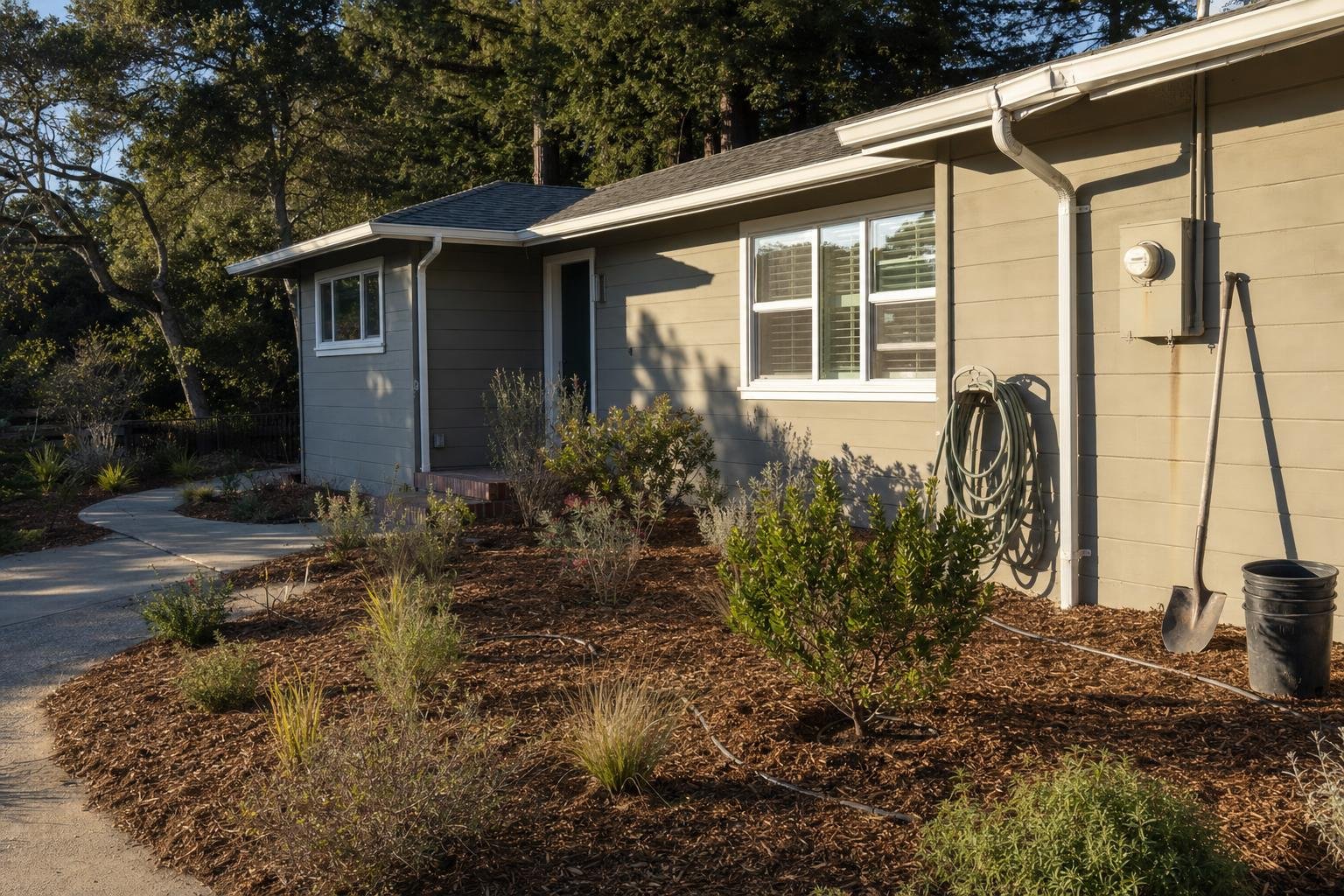
Every September we get the same call. Somebody wants a native garden put in, and they want to know if it can wait until spring. It can, but it will cost them a summer of watering, because on the Central Coast fall is the planting window that does the most work for you.
Why fall beats spring on the Central Coast
A plant put in the ground in October gets five or six months of rain before it has to face a dry stretch. The soil is still warm from summer, so roots keep growing while the top of the plant slows down and stops asking for much. By the time next June arrives, that root system is deep enough to find its own water.
Plant the same thing in April and you have reversed it. The rain is ending, the plant is pushing new leaves, and everything it needs has to come out of a hose. The UC Master Gardeners of San Mateo and San Francisco Counties make the same point in their guide, Time to Plant California Natives, and the California Native Plant Society puts the ideal window at late fall through early spring for the same reason.
The window we actually book
Mid September through mid November is the sweet spot in Santa Cruz County. That is when local nurseries have their widest native selection, and it is early enough that plants settle in before the first real storms.
A few local adjustments after 40 years of doing this here:
- Before the first storm is better than after. Getting plants in while you can still work the ground beats waiting for rain and then finding out the site is a mud pit.
- Do not plant into saturated soil. In Scotts Valley or Ben Lomond clay, working wet ground destroys the structure and you end up with a hole that holds water like a bucket. Wait three or four dry days after a storm.
- December through February still works if you miss the fall window. It is a slower start, but it beats waiting for spring.
- Mountain lots run later. Shaded redwood ground stays cold and wet well into March, so the fall window matters even more up there.
The two mistakes we fix the most
The first is amending the soil. People dig a nice hole, mix in a bag of compost, and think they have done the plant a favor. For California natives they have usually made a sump. Water moves out of that fluffy pocket into the surrounding hard ground slowly, so the root ball sits wet and the plant fails in its second winter. Backfill with the soil that came out of the hole. Save the amendments for vegetable beds.
The second is planting too deep. The crown, where the stem meets the roots, has to sit at or slightly above finished grade. On clay we set plants a full inch proud and mound the soil up to meet them. Then mulch two to three inches deep and pull it back from the stem, which is exactly what the CNPS mulching guidance calls for. Mulch piled against a trunk rots it.
Fall planting does not mean no irrigation
Natives are low water once established. They are not low water in year one, and that is the most common reason native gardens fail here.
Between planting day and the first real rain there is usually a stretch of warm, dry October weather. A new plant with a root ball the size of a grapefruit cannot ride that out. It needs a deep soak every week or two until the rains take over. Same through its first summer, and often a lighter version through its second.
We run drip to every new native planting for this reason, even on jobs where the whole point was to stop watering. A drip system with a good controller lets you water deeply and infrequently, which is what these plants want. Then you dial it back year by year instead of guessing. See our drought tolerant landscape work for how that ends up looking.
Pick plants that belong on your specific lot
Santa Cruz County is not one climate. A bluff lot in Live Oak, a fog belt yard on the west side, and a shaded slope in Felton want three different plant lists. Calscape, run by CNPS, will narrow a native plant list down to your location, and the Santa Cruz County chapter of CNPS is worth following for local plant sales and advice.
Our own drought tolerant plant list covers what we plant most often and why. If you are up in the mountains, read the deer resistant post first, because a brand new native planting is the most appealing thing in the neighborhood to a deer. Deer browse soft new growth even on species they usually leave alone.
Frequently Asked Questions
Is it too late to plant natives in December?
No. December and January are still fine, just slower. The plant sits quiet through the cold and takes off in spring. What you want to avoid is planting into soaked ground right after a storm.
Do I need to water native plants I put in during the rainy season?
Yes, during any dry gap. Check the root ball, not the surface. If the top few inches of the root ball are dry and no rain is forecast for a week, give it a deep soak.
Can I plant natives in summer instead?
You can, but it is the hardest season to do it and the failure rate goes up. If you have to plant in summer, expect to hand water frequently for months.
Get a Free Estimate
PGS Landscape has been planting yards across Santa Cruz County for over 40 years. We schedule a lot of native installs between September and November because it is the best time to do them. If you are thinking about a native or low water yard, this is the season to get on the calendar.
Give us a call at 831.254.3447 or reach us through the contact page for a free estimate.